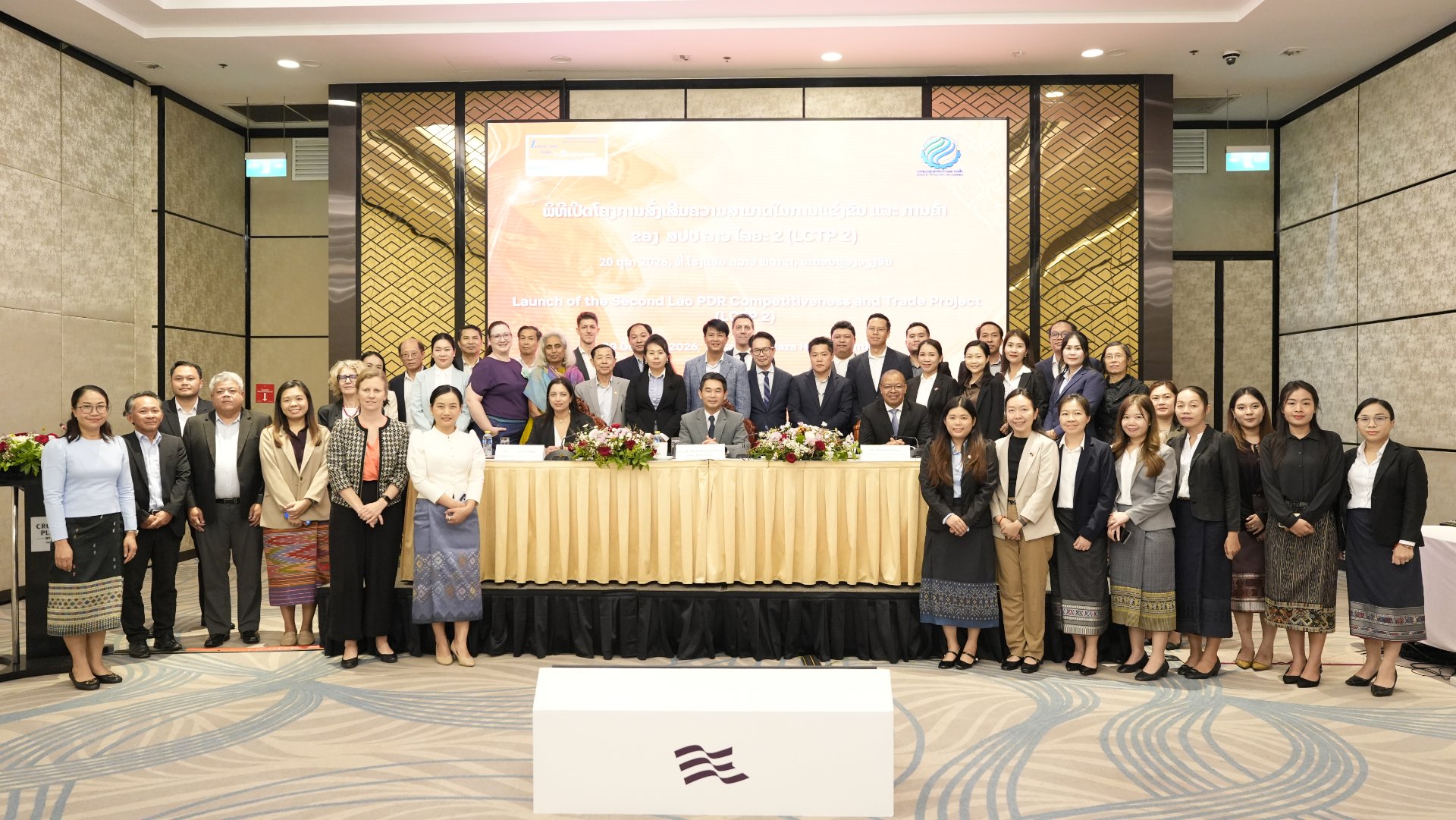
Lao PDR Launches Second Competitiveness and Trade Project to Boost Economic Growth and Trade Facilitation
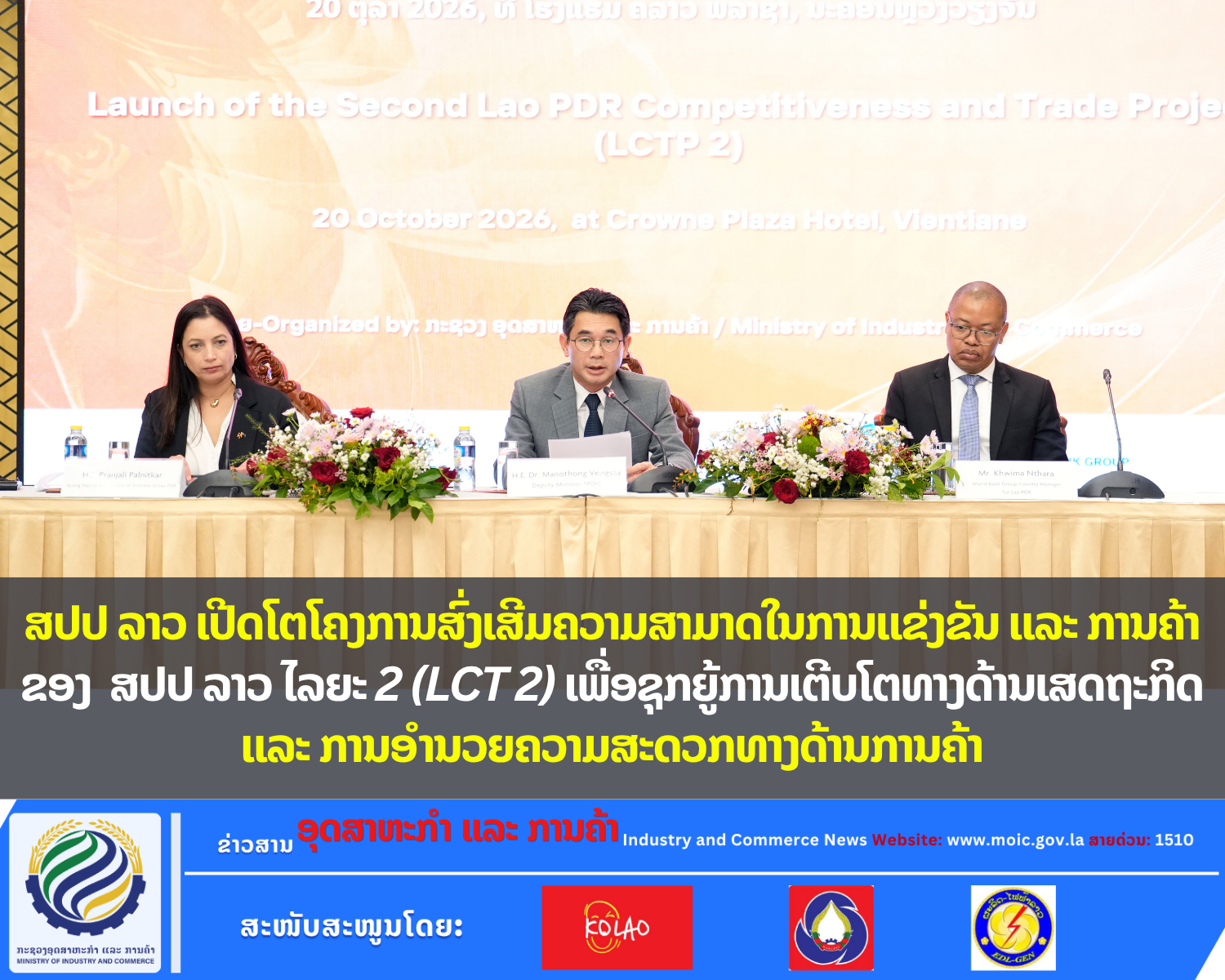
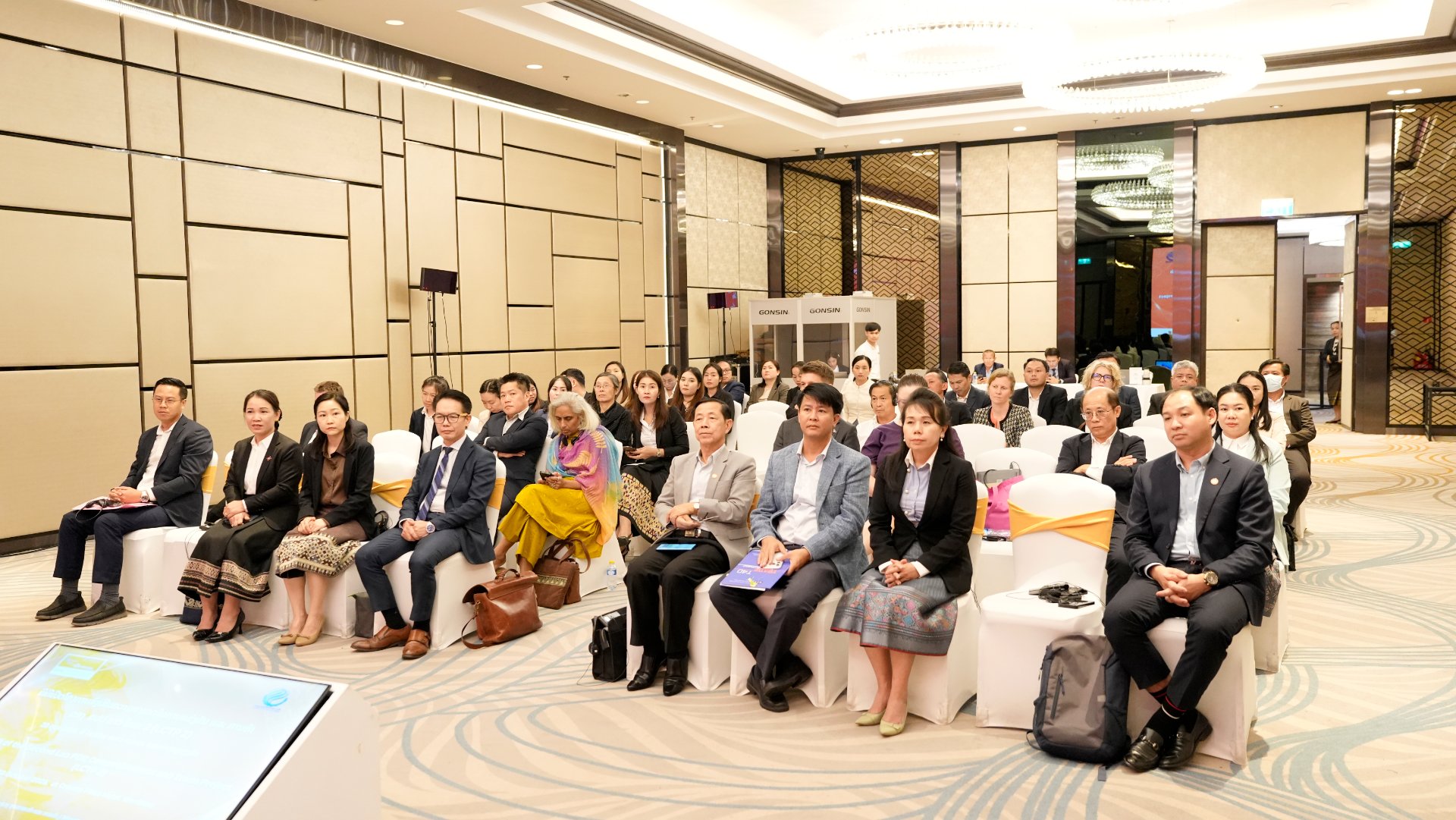
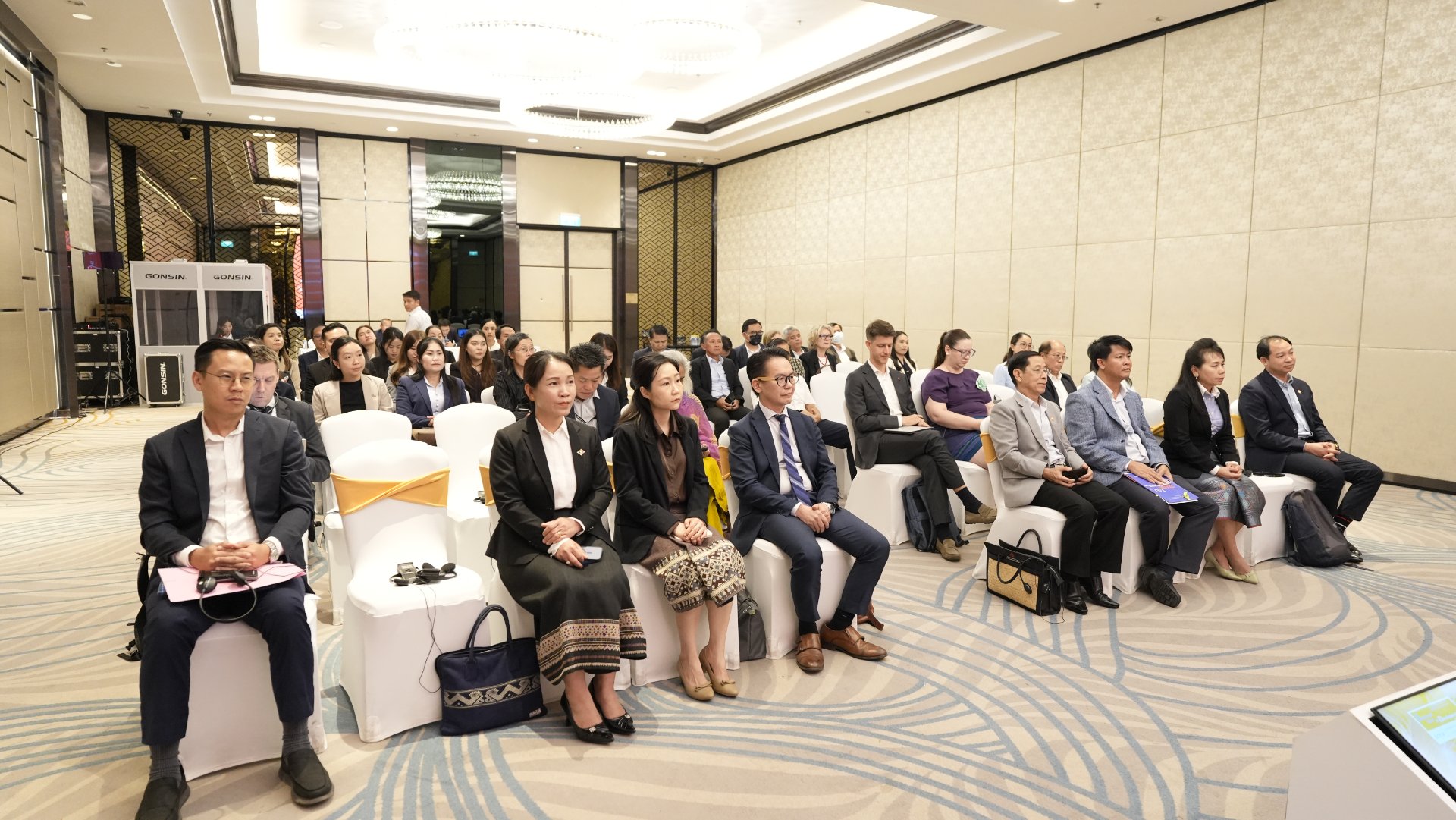
Vientiane, 20 October 2026 – The Government of the Lao PDR, with support from key development partners, today officially launched the Second Lao PDR Competitiveness and Trade Project (LCTP2) at the Crowne Plaza Hotel in Vientiane Capital. The launch event brought together senior government officials, development partners, private sector representatives, civil society, and media to mark the start of the project, which aims to strengthen Lao PDR’s economic competitiveness and foster inclusive, resilient growth in the post-LDC era.
LCTP2 is financed by the Australian Department of Foreign Affairs and Trade (DFAT) through a World Bank-administered trust fund, with a total budget of US$4.99 million. The project will be implemented from July 2026 to March 2029 and builds on the successes of its predecessor, LCTP1, which introduced the Electronic Business Registration System, established a joint border management framework, created a non-tariff measures (NTM) review mechanism, and provided matching grants for business development services to over 500 businesses.
The project focuses on improving the efficiency of Lao PDR’s regulatory environment for business entry and trade facilitation through digitalization. It is structured around three mutually reinforcing components: Trade Facilitation, Business Environment, and Project Management. Key activities include streamlining procedures, enhancing inter-agency coordination, digitalizing priority permits and licenses, upgrading the electronic Certificate of Origin, strengthening the National Single Window, enhancing business entry digitalization through the eBRS upgrade, and strengthening public-private dialogue. LCTP2 also emphasizes inclusive access for women-led firms and entrepreneurs with disabilities.
Expected results of LCTP2 include a reduction in cargo clearance time at border checkpoints from 3.32 hours to 1.99 hours, an increase in the share of firms applying for enterprise registration certificates online from 0% to 25%, and an increase in the percentage share of women-owned firms applying for enterprise registration certificates online from 0% to 50%.
The project is aligned with national priorities, including the 10th National Socio-Economic Development Plan, the MOIC Five-Year Plan, and the National Agenda on Addressing Economic and Financial Difficulties.
Speaking at the launch, H.E. Dr. Manothong Vongsay, Deputy Minister of Industry and Commerce, said: “Today, we launch not just a project, but a shared commitment to a more competitive, inclusive, and prosperous Lao PDR. Let us work together to turn these plans into tangible results.”
He also noted that LCTP2 responds directly to the challenges facing Lao PDR, including weak job creation outside agriculture, a private sector dominated by informal MSMEs, high trade costs, and the loss of preferential market access following LDC graduation. “LCTP2 will take these gains further,” he added, referring to the foundation laid by LCTP1.
H.E. Ms. Pranjali Palnitkar, Acting Deputy Ambassador of Australia to Lao PDR, said: “Australia is pleased to work alongside the Lao Government, the World Bank and the private sector through LCTP2 to help strengthen the environment for businesses to invest, grow and create jobs. We look forward to seeing LCTP2 translate reforms into tangible benefits for Lao businesses and communities, and contribute to a stronger, more competitive and resilient Lao economy.”
Mr. Khwima Nthara, World Bank Group Country Manager for Lao PDR, noted that the first Competitiveness and Trade Project had been a pioneering initiative in mobilizing private capital for development in the Lao PDR, and that the World Bank Group and its partners saw the new project as an opportunity to build on the successes of the first project in order to generate jobs and spur economic growth. “The focus is on reducing trade barriers, lowering processing times and costs at borders, and upgrading online systems to improve business entry. This will help create more and better jobs, which are vital to the future of Laos,” he said. “By keeping skills in country and improving opportunities for young people, the future can only be brighter. To achieve this, there is need to improve the business environment further in order to promote private investment. This project contributes to this objective, including boosting the performance of small companies that are the engine of the Lao economy.” He added.